
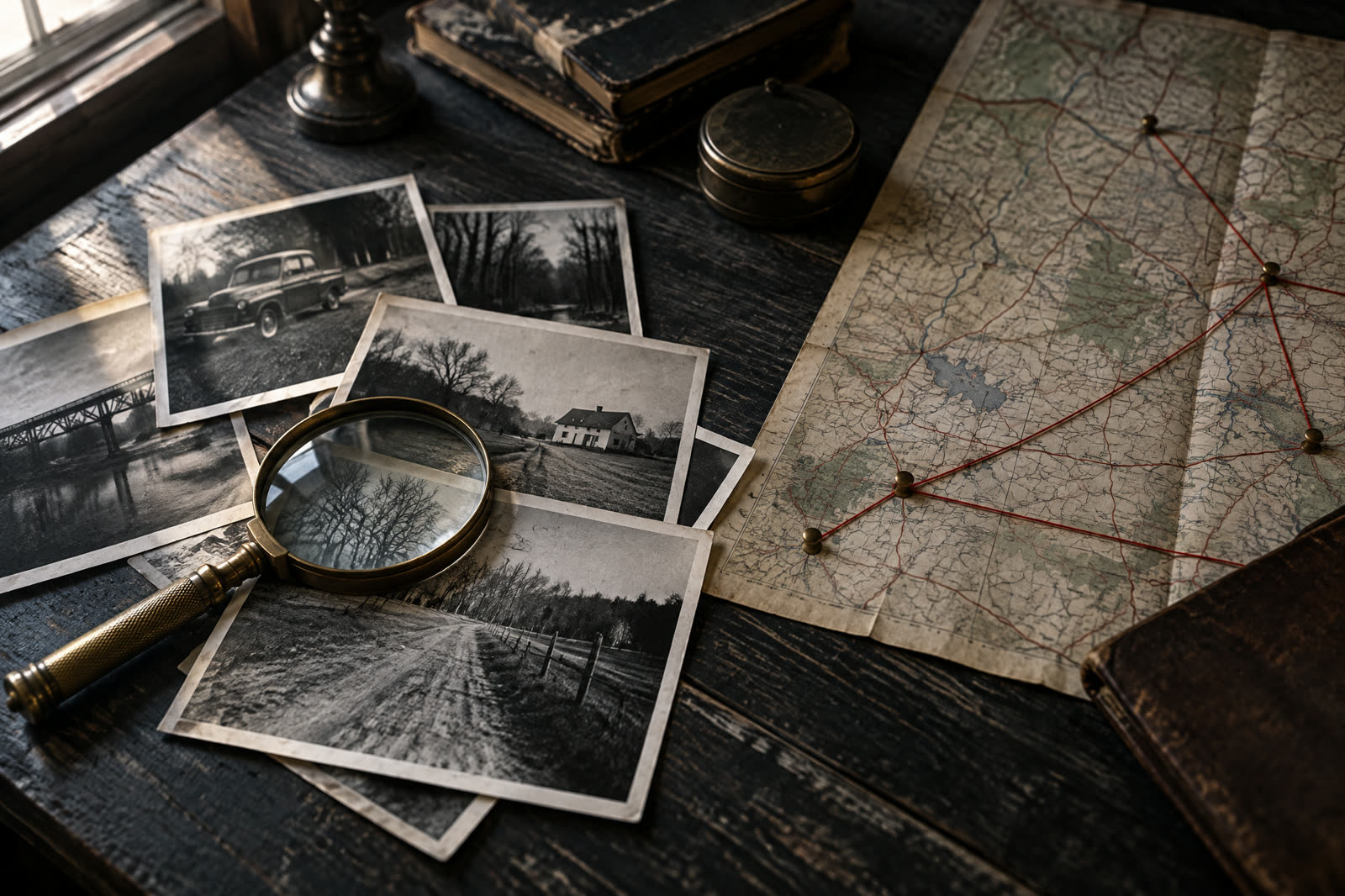
A witness interview is the easiest piece of investigative work to do badly without noticing. The witness talks, the investigator listens, everyone leaves feeling productive — and six months later the interview is a liability: unusable, contested, or quietly feeding the other side’s cross. The failure modes are predictable. So are the habits that prevent them.
Contamination by the interviewer
Memory is not a recording; it is a reconstruction, and it rebuilds itself around whatever material it is offered. An interviewer who asks “Did you see the blue truck?” has just installed a blue truck in a memory that may have held nothing of the kind. Leading questions, summaries offered back too helpfully, photographs shown too early, the theory of the case leaking through the question order — all of it writes on the witness while appearing to read from her.
The clean habit is dull and absolute: open questions first, narrow questions later, and the narrative before any specifics. Let the witness empty her memory in her own words and her own order before anything in the room suggests what mattered. The uninterrupted first account is the most valuable thing the interview will produce. Everything after it is clarification.
Contamination between witnesses
Witnesses talk to each other. Spouses align their stories innocently over dinner; co-workers assemble a consensus in the break room. Interview two witnesses together and the work produces one blended account wearing two names — and hands opposing counsel the argument that it was the interview that blended them.
One witness at a time, always. And when an account arrives suspiciously polished, the useful question is who the witness has already talked it through with. The answer belongs in the memorandum.
The recording trap
Oregon has specific law here, and getting it wrong can convert evidence into a problem. In general, recording an in-person conversation requires that the participants be specifically informed it is being recorded; telephone conversations run under a different, more permissive rule. The details have exceptions and the case law has history — the operational point is that recording decisions are made deliberately, on the right side of the statute, not improvised in a doorway. An unlawful recording is not a trump card. It is an exhibit against the person who made it.
The vanishing interview
An interview that lives only in the investigator’s recollection barely happened. Months later it is paraphrase against paraphrase, and the witness’s lawyer calls it a misunderstanding. The discipline that prevents this is the prompt, thorough memorandum: who was interviewed, when, where, who was present, how the interview came about, and what was said — kept close to the witness’s own words, with the questions visible where they matter. Same-day write-ups, every time; memory decays overnight, the investigator’s included.
The memorandum also records what interviews produce besides words — the diagram the witness drew, the photo she pointed at, the name she mentioned on the way out the door. Half of a good interview’s value is the leads it generates, and a lead not written down is a lead lost.
Documented properly, a witness’s statement becomes durable. If the account later changes on the stand, the memorandum — and the investigator prepared to testify to it — is the foundation for impeachment. Which is why the memorandum is written on the assumption that a hostile professional will one day read every line of it aloud.
The investigator as exhibit
Every interview makes the investigator a potential witness, and sloppy interviews make them a bad one. Promises made to a witness (“this is just between us”), compensation hinted at, pressure applied, misrepresentations about who the investigator works for — each becomes cross-examination material that burns the interview and scorches the file around it. Defense investigators identify themselves honestly and keep the witness’s choices free: a witness who talks because she chose to is worth ten who felt cornered, because the ten evaporate under oath.
There is a tactical dividend to the honest posture. Witnesses sense agenda. An interviewer who genuinely wants to know what happened — rather than to extract a quote — gets longer answers, better detail, and a witness who will take the follow-up call. The door left open matters; cases run long, and the second interview is often the one that counts.
The witness nobody found
The most common interview failure is the interview that never happens. The state’s canvass stopped at the apartments with easy parking. The witness moved twice since the arrest, and everyone agreed she was unfindable without checking. Locating witnesses is its own discipline — covered separately in the locate piece — but it is the precondition for everything above. The cleanest interview technique in Oregon is worthless on witnesses nobody went and found.
What counsel should expect
From the attorney’s side of the file, clean interview work has a recognizable signature: one witness at a time; the first account preserved in the witness’s own words; recording decisions made lawfully and deliberately; same-day memoranda that say who, when, where, and how; no promises, no pressure, no ambiguity about who the investigator was working for; and findings reported straight, including the interviews that hurt. That last habit is the practice’s standing rule — if the facts cut against the theory, counsel hears it early.
The work is built to be tested, because it will be. When a case needs witnesses found and interviewed so the statements actually hold, the conversation costs nothing.