
file / field notes
Field Notes
Articles from the working side of defense investigation: how the process actually runs, when an investigator earns their keep, and why careful work holds up.
The Process
Plain-language explainers for people suddenly inside the system.
- Arrest, Arraignment, Indictment: What Each Word Actually Means Arrest, booking, arraignment, indictment — what each word means in an Oregon criminal case, and which ones actually decide anything.
- Grand Jury vs. Preliminary Hearing: How Charges Actually Get Filed in Oregon Oregon felonies are charged by grand jury or preliminary hearing. How each works, how they differ, and what each one means for the defense.
- Plea Offers: What Your Attorney Means by "the Deal" Most Oregon criminal cases end in negotiated pleas. What a plea offer actually contains, who decides, and how facts change the math.
- Sentencing in Oregon: What the Judge Actually Weighs Oregon felony sentencing runs on a grid, with real discretion at the edges. What the judge weighs, what's fixed, and where facts still matter.
- What "Discovery" Means in a Criminal Case — and Why It's Never the Whole Story Discovery is what the state hands over in an Oregon criminal case. What's in it, what the defense owes back, and what never makes the file.
- What Happens After an Arrest in Oregon: The First 72 Hours Booking, arraignment, the release decision — what the first 72 hours after an Oregon arrest actually look like, hour by hour.

Hiring an Investigator
When to bring one in, what it costs, and what to ask first.
- Questions to Ask Before You Hire Any Private Investigator Nine questions that separate professional investigators from expensive mistakes — licensing, methods, reporting, testimony, and scope.
- What a Defense Investigator Costs — and What the Meter Actually Buys What drives the cost of a defense investigation, what the hours actually buy, and why a scoped estimate beats an open meter.
- When to Hire an Investigator: The Earlier-Is-Cheaper Rule Evidence decays on a schedule. Why early defense investigation costs less and finds more — and what's already expiring in your case.
- Why Hire an Investigator When You've Been Charged with a Crime The state built its case with investigators. A defense investigator is how your side gets its own facts — here's what that actually involves.
The Craft
How the work is actually done — and why it holds up.
- A Locate Is Not a Database Hit Databases produce leads, not locates. What it takes to turn a stale address printout into a verified person at a verified door.
- How Witness Interviews Go Wrong — and How Clean Ones Are Kept The ways witness interviews get contaminated, lost, or turned against the defense — and the habits that keep them clean and usable.
- Scene Documentation: Photographing for the Courtroom, Not the Album Scene photography that survives cross-examination: sequence, scale, light, logs, and the discipline that separates exhibits from snapshots.
- Testifying as an Investigator: Work Built to Be Cross-Examined Courtroom testimony starts the day the case opens. How real-time logging, simple answers, and trusting your counsel make an investigator's work hold up.
- The Component Method: Breaking a Case into Provable Pieces How a defense investigator uses a component framework — reports, discovery, timeline, burden of proof — to stay neutral and find what the narrative missed.
Mitigation
The investigation that happens after the verdict, before the sentence.
- For Families: How to Help Your Loved One's Mitigation Case What families can actually do to help a mitigation case — the documents, names, and letters that matter, and the well-meant moves that backfire.
- The Life-History File: The Records That Change Sentencings School files, medical charts, child-welfare records — the documents that change sentencings, where they live, and why they take months to gather.
- What Mitigation Investigation Actually Is Mitigation investigation documents the life behind the case — verified records and witnesses that give a sentencing court something real to weigh.
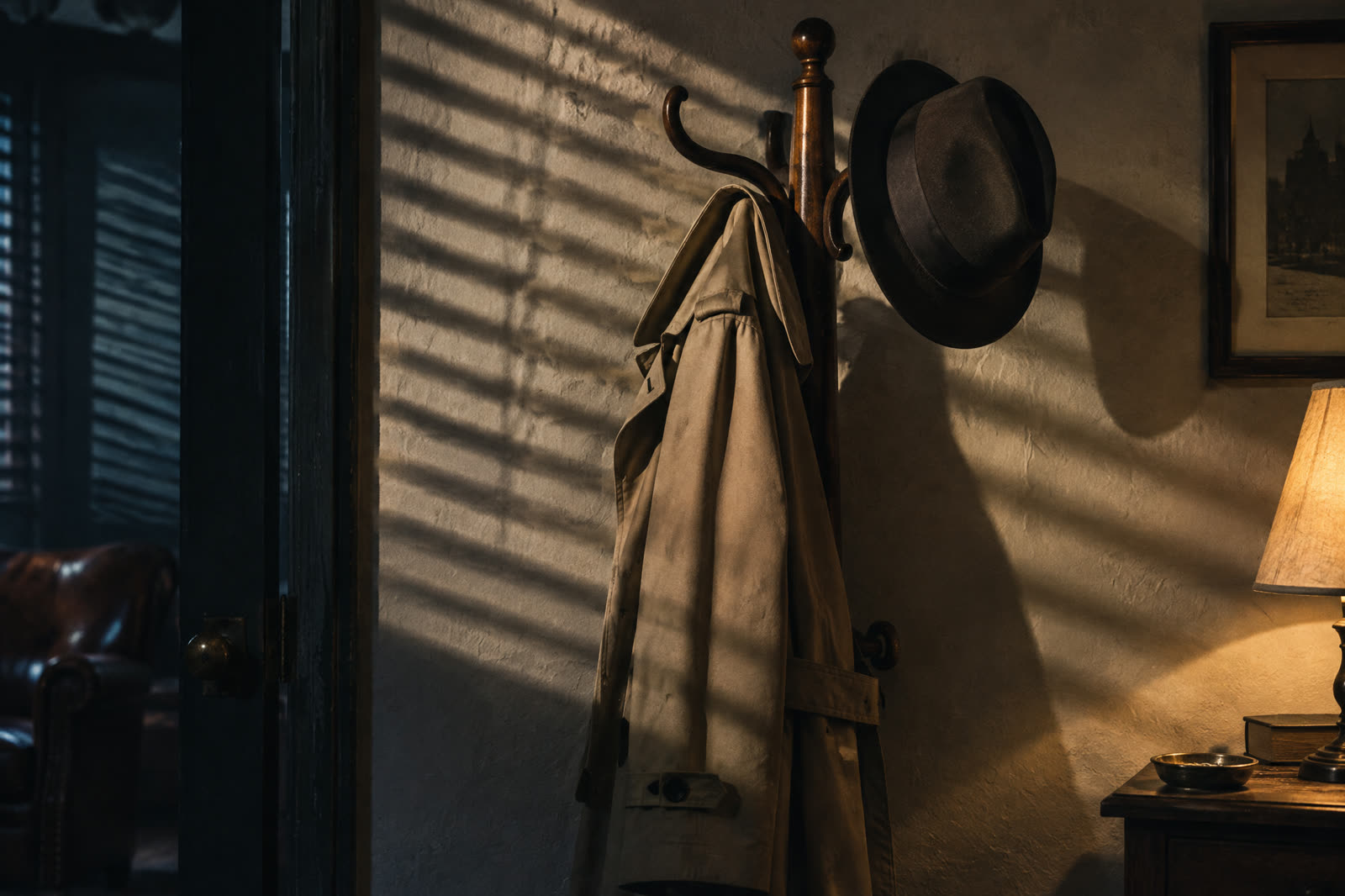
The Lighter File
The detective myth, examined by someone who does the job.
- The Detective in Your Head The PI archetype runs deeper in mass culture than almost any other profession. A working investigator on what the myth gets right — and what it costs.
- TV PI vs. Real PI: A Field Guide to the Differences A field guide to the television private investigator and the working Oregon original — badges, lockpicks, car chases, and other fictions.
file / next step
Reading done — questions left? Ask them in confidence.
Make Contact or call / text (541) 531-5137